











TYPES OF PROTECTION CLASSES FOR SPECIAL WORKWEAR
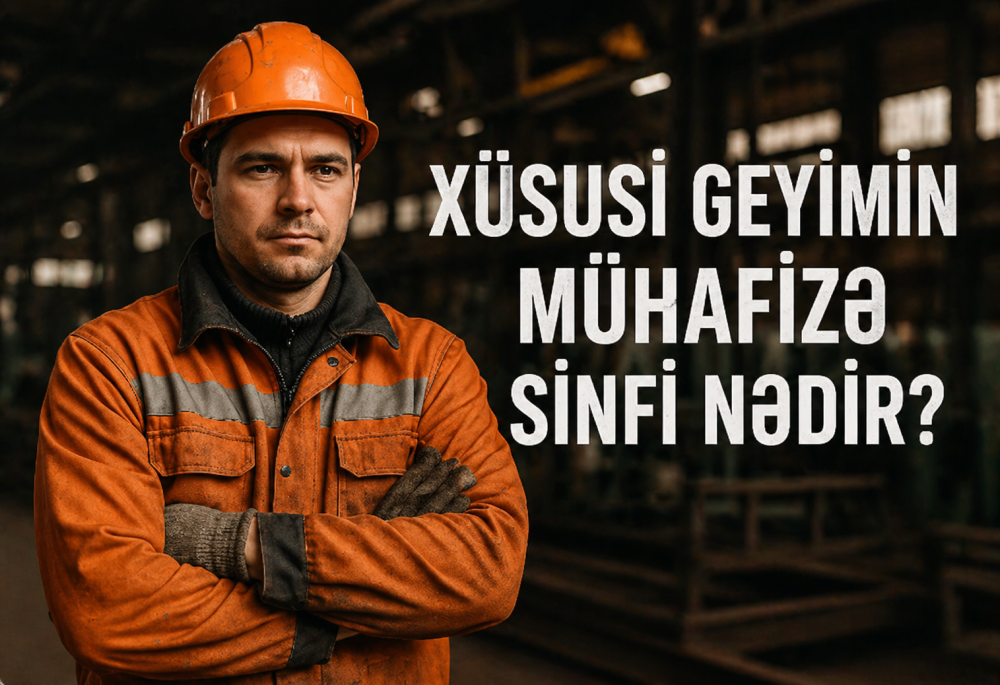
The protection class of special workwear is a vital indicator reflecting the extent to which work clothing can protect against harmful and dangerous production factors. This class depends on the properties of the materials used in sewing and the design of the specific model.
Below is the essential information on types of special workwear and their protection classes:
Protection Classes and Performance Levels
To determine the protection class of special workwear, physical (temperature, sparks), chemical (acids, alkalis), mechanical (friction, punctures), and biological factors are evaluated.
Main Protection Classes of Special Workwear
-
Class 1: The base level for minimum risk conditions. It protects against dirt, dust, and light mechanical impacts. The operating temperature range is between -5°C and +40°C.
-
Class 2: Designed for moderate-risk work. It withstands short-term temperatures up to +100°C and weak acid solutions (up to 20%). Winter versions provide protection down to -20°C.
-
Class 3: Intended for high-risk conditions, such as sparks, molten metal splashes, and aggressive chemicals. Materials must withstand the effects of flame for at least 15 seconds.
-
Class 4: The maximum protection level. These are multi-layered or hermetic garments resistant to concentrated acids and heavy metallurgy conditions. They must not ignite within 30 seconds of contact with a flame.
Tables by Special Workwear Type
Protection Classes for Winter Special Workwear
| Class | Operating Temperature | Application Area | Technical Requirements |
| I | Down to -5°C | Mid-season | Thermal resistance of at least 0.4 clo |
| II | -5°C to +20°C | Moderate climate | Wind and moisture protection |
| III | -20°C to -40°C | Northern regions | Thermal transfer resistance of 1.2 clo |
| IV | Below -40°C | Far North | Insulation layer of at least 400 g/m² |
Protection Classes Against Acids and Water
| Class | Solution Concentration | Protection Time | Application |
| I | Up to 20% | 10 minutes | Light work with diluted acids |
| II | Up to 50% | 30 minutes | Laboratories, moderate-risk production |
| III | Over 50% | Up to 1 hour | Chemical industry |
| IV | Concentrated solutions/vapors | More than 1 hour | Aggressive production, emergency services |
High-Visibility (Signal) Clothing (EN ISO 20471)
-
Class 1: Used in areas with low traffic (minimum signal elements).
-
Class 2: Intermediate visibility for urban road work.
-
Class 3: Maximum visibility area. Mandatory for workers on highways, airfields, and railways.
Protection Classes for Welders (EN ISO 11611/11612)
-
Class 1: Light welding work (up to 15 drops of molten metal splash).
-
Class 2: Electric arc welding and metal cutting (25–35 drops).
-
Class 3: Maximum protection (over 35 drops and short-term exposure to +500°C).
Important Note: Workwear belonging to different protection classes may look identical externally; therefore, always check the garment's technical passport or the internal label.
